
Don’t Forget About Self-Care This Holiday Season
Life is busy on the regular, the holiday season can add a whole other layer of busy to an already hectic schedule. Not only do you have to continue with your everyday routine, but then added to it all is holiday events, planning, gift giving, shopping, travel, organizing traditions etc. The list can go on and on… and it will.
A study shared by Harvard Medical School reports that 62% of those surveyed reported experiencing an increase in stress around the holiday season. The American Psychiatric Association found that 41% of US adults say they anticipate more stress related to the holidays this year as opposed to last year. With statistics like this it can be helpful to know you aren’t alone if the holidays are stressing you out.
While it can be reassuring to know you aren’t alone, it doesn’t exactly help you figure out how NOT to be stressed this year. Decreasing your stress is important, however, taking care of yourself is imperative. Don’t forget to take care of yourself and practice self-care this holiday season.
Why Do We Forget Self-Care?
Life is busy, as I’ve mentioned. When we get busy what tends to fall off the list first is basic self-care. Too much to do? Stay up late, work through lunch, sound familiar?
When we get busy we tend to bump the things we need to do to take care of ourselves to make more time for other things. The reality is, we are no good to anyone else if we aren’t good to ourselves first. There’s a reason they tell you to put your air mask on first if the plane is going down. If you pass out, who takes care of the people you care about?
Self-care isn’t selfish. It’s necessary to function in your everyday life. It is essential to taking care of your mental health and your physical health. Your mental health matters, don’t forget about it.
Practicing Self-Care This Holiday Season
The National Alliance on Mental Health (NAMI) suggests the following helpful ways to practice self-care this holiday season;
- Know and respect your limits. Don’t overextend yourself, this season is ripe for that and you don’t have to. Setting boundaries is essential, though it can be difficult. Counseling can help you learn these valuable skills and more.
- Set reasonable expectations. Realistic expectations don’t mean low expectations. It means realizing there are 24 hours in a day and you do need to sleep. You deserve support and you can’t do it all, nor can anyone else, despite what your expectations may be telling you. Therapy can help you to explore your expectations and make sure they are reasonable and realistic.
- Avoid known triggers. If you know there are certain people, places or things that spike your anxiety and you don’t have to engage with them…. Maybe don’t? Avoidance isn’t healthy but consciously choosing not to engage in what you don’t need to engage with can be wonderful.
- Find ways to give back. It can be wonderful to help others. Find ways to give back that fit for you and don’t create more distress or anxiety this holiday season.
- Decorate for comfort. You don’t have to go wild and decorate every inch of your house (unless you enjoy it). Find ways to leave your mark decoratively this holiday season.
- Be extra giving to yourself. Now this is essential, in this helpful article they give examples of nice gifts and acts of kindness toward yourself. This is wonderful, however, I would argue that this also includes practical self-care as well. Make sure you are eating meals (throw in a couple of vegetables here in there), make sure you are getting sleep, drink water, take breaks as you need them, etc. A kind card is lovely, but it cannot replace 8 hours of sleep.
Counseling and Self-Care
Building a routine of practical self-care may sound simple, however, it can be difficult to put into practice. Therapy can help you to explore how you are taking care of yourself and ways to make improvements.
You aren’t alone in building a self-care practice. Carolina Counseling Services contracts with exceptional licensed therapists who can help you to address your self-care needs. When we don’t take care of ourselves we can begin to experience symptoms of depression or anxiety. When we are feeling depressed or anxious we don’t take as good a care of ourselves. It can be a vicious cycle. Therapy can help you break this cycle.
If you are looking for quality mental health care in Fayetteville, North Carolina, reach out to CCS to get started!
Providers are in network with most major insurances including Aetna, Aetna State Health Plan, Blue Cross and Blue Shield of North Carolina (Blue Cross NC), Tricare, Medicaid and many more. Treatment is available to surrounding areas as well such as Hope Mills, Spring Lake, Dunn, Raeford, Linden, Laurenburg etc. Online appointments are also available making getting quality mental health treatment anywhere in North Carolina easier than ever before!
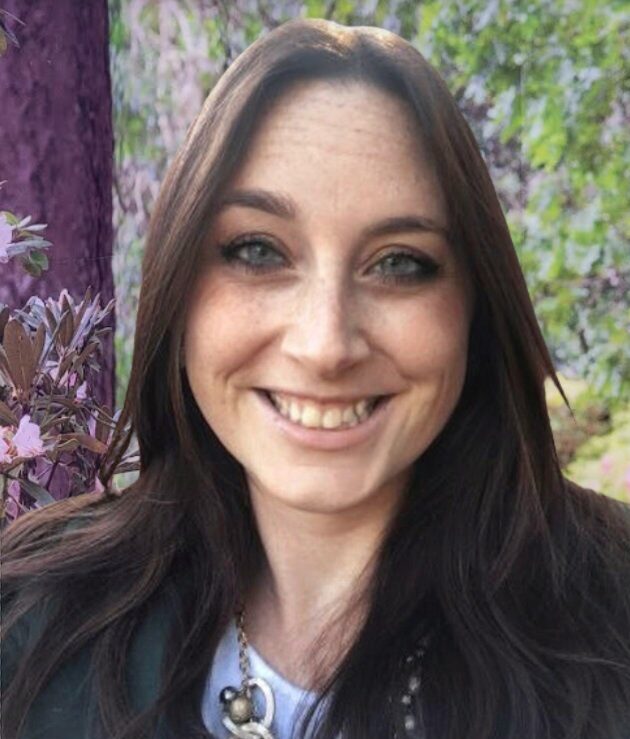
Jaime Johnson Fitzpatrick LCMHCS, LCAS is one of the Owners and Vice Presidents of Carolina Counseling Services. She is a Licensed Clinical Mental Health Counselor and Licensed Clinical Addictions Specialist in the State of North Carolina as well as a Licensed Mental Health Counselor in State of New York. Jaime is also certified in Dialectical Behavioral Therapy and utilizes various other approaches in her practice.



 PO BOX 9909 Fayetteville, NC 28311