
Ending It: A Real Conversation About Suicide and Support
Audio Version
Talking about suicide is one of the hardest things we do as humans. Even hearing the word can spark fear, sadness, and that sinking feeling in your stomach, whether you’re the one struggling or you’re caring for someone who is. Many people avoid saying it out loud because it feels too heavy, too real, too close. And if we’re honest, sometimes it feels safer to pretend it’s not there.
But here’s the truth, avoiding the word doesn’t prevent the pain behind it. Speaking directly, compassionately, and without judgment does save lives.
According to the National Institute of Mental Health (NIMH), suicide is a complex issue influenced by emotional distress, mental health conditions, and life stressors, not by weakness or attention-seeking.
And the American Foundation for Suicide Prevention (AFSP) reminds us that asking someone if they’re thinking about suicide does not increase the risk; in fact, it often reduces it.
Let’s Drop the Kid Gloves, This Matters Too Much
When a loved one opens up about suicidal thoughts, it’s not the beginning of their struggle. It’s usually the moment they finally let someone see what’s been silently happening for a long time. Pain doesn’t typically build overnight. It builds in small pieces, daily hurts, chronic stress, depression, trauma, and untreated mental health concerns that wear someone down over time.
So when someone shares those thoughts with you, it’s not “attention-seeking.” It’s courage. It’s a vulnerability. It’s the moment they’re letting you know they’re overwhelmed and tired.
We’ve Come a Long Way, but Not Far Enough
We talk more openly about mental health than ever before, but stigma still lingers. Too many people believe:
- “I don’t want to burden anyone.”
- “My therapist has more important clients.”
- “Other people have it worse.”
- “It’s not that serious.”
If you’ve ever had these thoughts, hear this clearly:
Your pain matters, your voice matters, you matter.
And for those supporting someone else, your presence, honesty, and willingness to sit with them in their discomfort matter more than you know.
You Don’t Have to Do This Alone, We’re Here With You
At Carolina Counseling Services in Fayetteville, NC, we know these conversations are tough. We also know that reaching out for help can feel scary, vulnerable, or even impossible. But we’ve built a space where you can show up exactly as you are, no judgment, no pressure, no shame.
Whether you’re in Hope Mills, Stedman, or anywhere near Fayetteville, you deserve compassionate support that helps you feel grounded, heard, and understood. Our therapists walk with you through the messy, painful moments and help you reconnect with your strength, your story, and your hope.
We’re committed to making care accessible, and we accept Aetna, Aetna State Health Plan, Blue Cross Blue Shield of North Carolina, Tricare, and many Medicaid plans such as Alliance, Carolina Complete Health, WellCare, Healthy Blue, and UnitedHealthcare.
If you or someone you love is struggling, reach out. You don’t have to carry this alone.
Related Articles:
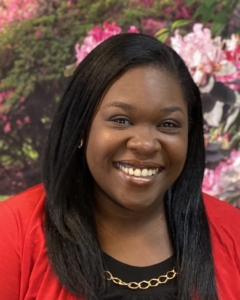
Ebone L. Rocker, LCMHCS, is one of the Owners and Vice Presidents of Carolina Counseling Services. She is a Licensed Clinical Mental Health Counselor Supervisor in the State of North Carolina.



 PO BOX 9909 Fayetteville, NC 28311