
Setting Boundaries:
What It Really Means
(and What It Doesn’t)
Audio Version
We hear a lot these days about “setting boundaries.” It’s become a buzzword on social media, and somewhere along the way, it started being confused with cutting people off, blocking them, or burning bridges the moment something feels uncomfortable.
But that’s not what boundaries truly are.
And honestly? That approach usually keeps us stuck, overwhelmed, and disconnected.
Healthy boundaries are about showing up with honesty, clarity, and compassion, first for yourself, and then for the relationships you care about. They help you protect your peace, communicate your needs, and move through the world with intention rather than reactivity.
According to the National Institute of Mental Health, understanding and communicating emotions is a key part of building healthy relationships. This includes knowing where you end and someone else begins.
Boundaries Aren’t About Pushing People Away
There’s a misconception that boundaries mean shutting people down. But real boundaries aren’t loud, aggressive, or forceful. They’re not about slamming doors or winning arguments.
Authentic boundaries are quiet, steady, and grounded.
They sound like:
- “I’m not available for that conversation right now.”
- “I care about you, and I also need time to recharge.”
- “I’m shifting how I show up in this relationship.”
- “I’m choosing not to take on this responsibility anymore.”
This is not punishment.
This is clarity.
The American Psychological Association notes that assertive communication, not avoidance, is one of the healthiest ways to support emotional and relational wellbeing.
We Teach People How to Treat Us
You’ve probably heard the saying: “We teach people how to treat us.”
It’s true, but I like to expand it:
Boundaries are not about controlling someone else.
They’re about taking responsibility for your own participation.
You get to decide:
- How you allow others to speak to you
- How much access people have to your time and energy
- What you will or won’t engage in
- How you show up in rooms, in relationships, and in conversations
Boundaries are less about telling someone “don’t do that”
and more about:
“Here’s how I will respond if this continues.”
That’s empowerment, not disconnection.
Boundaries Are Actions, Not Just Words
You can talk about boundaries all day, but they only work when you follow through with consistent action.
Sometimes that means:
- Leaving a draining conversation
- Rescheduling when you’re overwhelmed
- Choosing silence over reactivity
- Taking space instead of forcing explanations
- Saying “no” without guilt
It’s not dramatic.
It’s not confrontational.
It’s simply you protecting the version of yourself you want to bring into the world.
Boundaries help you stay aligned, so you show up with the same authenticity in every room you enter.
It All Comes Back to How You Show Up
Boundaries start with awareness:
How do I feel? What do I need? What am I available for?
Then they move into alignment:
How will my actions reflect those needs?
If you’re yelling, forcing, over-explaining, or demanding, you’ve drifted away from the heart of boundary-setting.
Healthy boundaries don’t require fear or force.
They require clarity, consistency, and self-respect.
And when practiced well, they build stronger, safer, more connected relationships, not fewer.
Perhaps you have other concerns as a result of not setting boundaries. Working with a trained professional at Carolina Counseling services Fayetteville, NC may help you to navigate setting appropriate boundaries with others as well as other mental health concerns.
We are able to accept Aetna, Aetna State Healthplan, Blue Cross Blue Shield of North Carolina, Tricare, and many of the Medicaid policies to include Alliance, Carolina Complete Health, Wellcare, Healthy Blue, and United Healthcare insurance.
Give us a call today!
Related Articles:
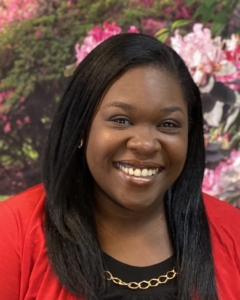
Ebone L. Rocker, LCMHCS, is one of the Owners and Vice Presidents of Carolina Counseling Services. She is a Licensed Clinical Mental Health Counselor Supervisor in the State of North Carolina.



 PO BOX 9909 Fayetteville, NC 28311