
Self-Harm in Teens and Adults: Warning Signs, Causes, and Effective Treatment
Self-harm, clinically referred to as non-suicidal self-injury (NSSI), is a complex mental health behavior in which individuals intentionally injure themselves as a way to cope with emotional distress. Although it is typically not intended as a suicide attempt, self-harm is a serious issue that often signals underlying psychological challenges.
Understanding the causes, recognizing the signs, and seeking timely professional care can make a critical difference in recovery.
What Is Non-Suicidal Self-Injury (NSSI)?
Non-suicidal self-injury involves deliberate harm to the body without the intent to die. For many individuals, it serves as a way to:
- Manage overwhelming emotions
- Release internal tension
- Express feelings they cannot put into words
- Distract from emotional pain with physical sensation
While it may offer temporary relief, self-harm does not address the root cause and can lead to a cycle that becomes increasingly difficult to stop.
Common Types of Self-Harm
Self-injury can appear in different forms, some more visible than others. The most frequently reported behaviors include:
- Cutting or carving the skin
- Burning the skin
- Hitting or banging the head or body
- Picking or scratching skin until it bleeds
- Pulling out hair
- Intentionally interfering with wound healing
Less common but more dangerous behaviors may include ingesting harmful substances or deliberately causing serious injury.
Signs and Symptoms of Self-Harm
Because self-harm is often hidden, recognizing the signs requires careful attention. Warning signs may include:
- Unexplained injuries such as cuts, burns, or bruises
- Wearing concealing clothing regardless of weather
- Frequent need for bandages or covering specific areas
- Keeping sharp or harmful objects nearby
- Sudden withdrawal from social interactions
- Emotional volatility or impulsive behavior
- Expressions of low self-worth or hopelessness
Early recognition allows for early intervention, which significantly improves outcomes.
Why Do People Engage in Self-Harm?
Self-harm is not about seeking attention, this is a dangerous misconception. More often, it reflects deep emotional pain or difficulty coping with internal experiences.
Common contributing factors include:
- Depression and anxiety
- Trauma or adverse life experiences
- Difficulty regulating emotions
- Low self-esteem or identity struggles
- Peer influence, especially among adolescents
- Substance use
Teenagers and young adults are particularly at risk due to developmental changes and social pressures.
The Risks of Self-Harm
Even when there is no intention to die, self-harm can lead to serious consequences, including:
- Infection or medical complications
- Permanent scarring or disfigurement
- Increased emotional distress over time
- Escalation of self-injury behaviors
- Greater risk of suicidal thoughts or actions
Because of these risks, self-harm should always be taken seriously and addressed with professional support.
Can Self-Harm Become Habit-Forming?
Many individuals report feeling a sense of relief after self-injury. This is linked to the brain’s release of natural chemicals that temporarily reduce emotional pain.
Over time, this relief can reinforce the behavior, making it more likely to recur during periods of distress. While experts debate labeling it as an “addiction,” it is widely recognized that self-harm can become a repetitive coping pattern that requires intervention to break.
Risk Factors to Watch For
Certain circumstances can increase vulnerability to self-harm, especially in adolescents:
- Exposure to trauma or high stress
- Social isolation or bullying
- Family conflict or lack of support
- Mental health disorders
- Association with peers who self-harm
- Substance misuse
Awareness of these factors can help families and caregivers respond proactively.
Treatment for Self-Harm: Therapy and Medication Management
Recovery from self-harm is possible with the right treatment approach. Professional care focuses on both the behavior and its underlying causes.
Evidence-Based Therapy
Effective therapeutic approaches with a licensed therapist include:
- Cognitive Behavioral Therapy (CBT)
- Dialectical Behavior Therapy (DBT), particularly for emotional regulation
- Trauma-focused therapy
- Family therapy for adolescents
Medication Management
For individuals experiencing conditions such as depression, anxiety, or mood disorders, psychiatric medication management may help stabilize symptoms and reduce the urge to self-harm.
A combined approach of therapy and medication management often provides the best outcomes.
When to Seek Professional Help
If self-harm behaviors are suspected, it’s important to seek help as soon as possible. Warning signs that require immediate attention include:
- Repeated or escalating self-injury
- Increasing emotional distress
- Talk of hopelessness or feeling trapped
- Difficulty functioning at home, school, or work
Early intervention can prevent more serious complications and support long-term healing.
Supporting Someone Who Self-Harms
If someone you care about is struggling, your response matters. Try to:
- Stay calm and avoid judgment
- Encourage open, honest communication
- Validate their feelings without reinforcing the behavior
- Seek professional guidance when needed
You don’t have to manage this alone—mental health professionals are trained to help both individuals and families navigate recovery.
Hope and Healing Are Possible
Self-harm is a sign of emotional pain—not failure. With compassionate care, individuals can learn healthier coping strategies, improve emotional resilience, and regain a sense of control.
Professional therapy and medication management provide the tools needed to move toward lasting recovery.
Carolina Counseling Services in Fayetteville, North Carolina contracts with exceptional licensed therapists and psychiatric professionals. You don’t have to choose between counseling and medication management. With CCS you can engage in both treatment approaches or start with the approach you feel would be most effective for you.
Our Fayetteville Office is conveniently located near Hope Mills, Spring Lake, Dunn, Raeford, St Pauls, Rockfish, Parkton, Red Springs and many other areas of Cumberland County. Providers are in network with most major insurances including Aetna, Aetna State Health Plan, Blue Cross and Blue Shield of North Carolina (Blue Cross NC), Tricare, Medicaid and many more. Online appointments are also available making getting the quality treatment you deserve – anywhere in North Carolina- easier than ever before!
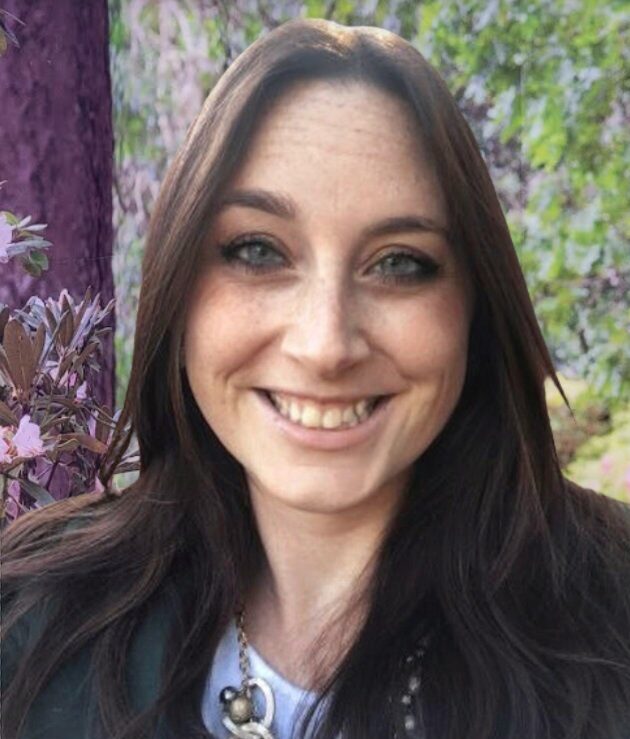
Jaime Johnson Fitzpatrick LCMHCS, LCAS is one of the Owners and Vice Presidents of Carolina Counseling Services. She is a Licensed Clinical Mental Health Counselor and Licensed Clinical Addictions Specialist in the State of North Carolina as well as a Licensed Mental Health Counselor in State of New York. Jaime is also certified in Dialectical Behavioral Therapy and utilizes various other approaches in her practice.



 PO BOX 9909 Fayetteville, NC 28311