
Improving Your Mental Health in 2026
As the new year begins, many people are asking, Is it time to consider psychiatric medication? While lifestyle changes, therapy, and self-care strategies are all valuable, medications can play a critical role in managing conditions like depression, anxiety, PTSD, bipolar disorder, ADHD, and more.
A study shared by the American Psychiatric Association reports that leading into 2025 33% of Americans made mental health new years resolutions. This was a 5% increase from the year before and it is expected to continue to grow in years to come. But why? What makes New Years the time to focus on our mental health?
How is Your Mental Health Heading into the New Year?
The start of a new year naturally encourages reflection. For those who struggled with symptoms the previous year—persistent sadness, overwhelming anxiety, mood instability, focus difficulties—the transition into a new year can be a great time to start focusing more on your needs.
Common reasons people reconsider medication in The New Year
- Symptoms have continued to get worse
- Therapy alone is not producing enough relief
- Increases stress surrounding the holidays
- Desire for better functioning at work, school, or home
- Recommendations from a therapist or primary care provider
Is It Time to Consider Psychiatric Medication?
Medication can be a helpful option if your symptoms interfere with your daily life, relationships, or your basic functioning. Although only a professional can diagnose and prescribe, these signs may indicate it’s time for an evaluation:
1. Your symptoms are getting worse.
If you experience depressed mood, anxiety, irritability, or fatigue most days for several months, medication may support recovery.
2. It’s hard to complete daily tasks.
Struggling to concentrate, sleep, or maintain routines can signal underlying conditions like ADHD, anxiety disorders, or depression.
3. You are experiencing physical symptoms with no physical cause.
Headaches, stomach issues, restlessness, and panic attacks often improve with appropriate psychiatric treatment.
4. Medications have helped in the past.
If you’ve taken psychiatric medication before and noticed improvement, restarting or adjusting treatment might be helpful.
Categories of Psychiatric Medications
Understanding different types of medications can make discussions with your provider easier:
- Antidepressants: Often used for depression, anxiety, PTSD, and OCD
- Anti-anxiety medications: Help reduce overwhelming worry or panic
- Mood stabilizers: Support individuals with bipolar disorder or mood swings
- Stimulants and non-stimulants: Used for ADHD and focus-related issues
- Antipsychotic medications: Support mood disorders, psychosis, and treatment-resistant conditions
Finding a provider you can talk to is important. While knowing different categories of medications can help facilitate productive conversations, you need to feel that you can trust your prescribers recommendations and that you can ask questions as they come up. Carolina Counseling Services contracts with caring licensed psychiatric professionals who want to create a treatment plan to meet your unique needs.
What You May Experience
Beginning psychiatric medication is a process, not a quick fix. Having realistic expectations makes the journey smoother. Knowing some things to expect can make a world of difference.
Key Points to Consider:
- They take time. Many medications require 2–6 weeks for full benefit.
- Side effects are usually temporary. Mild nausea, fatigue, or changes in sleep often fade with time. Be sure to ask about side effects and report any concerns you have to your prescriber.
- Follow-up appointments matter. Adjustments are common during the first few months. Make sure you follow up and share concerns you may have as well as benefits you are seeing.
- Honesty with your provider is essential. Share all symptoms, concerns, and reactions. This will allow them to make sure you are receiving the maximum benefit.
Find the Psychiatric Care You Deserve This New Year
Starting the new year with improved mental well-being can set the tone for healthier you. When you address your mental health symptoms you will likely find that your relationships improve, you feel more productive, you feel more like yourself and may even find that the quality of your life dramatically improves. Psychiatric medication isn’t the right choice for everyone, but it can be a powerful tool for those who need it.
Carolina Counseling Services contracts with skilled licensed psychiatric professionals and therapists who can help. If you are looking for exceptional mental health care in Fayetteville, NC look no further than CCS. Online sessions are available as well making it easier than ever before to get quality psychiatric care anywhere in North Carolina. Reach out now to get started!
Providers are in network with most major insurances including Aetna, Aetna State Health Plan, Blue Cross and Blue Shield of North Carolina (Blue Cross NC), Tricare, Medicaid and many more!
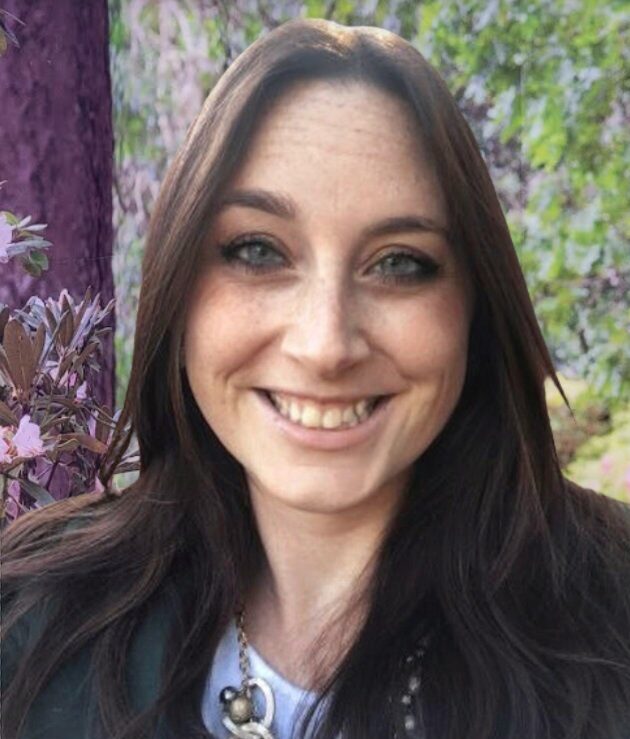
Jaime Johnson Fitzpatrick LCMHCS, LCAS is one of the Owners and Vice Presidents of Carolina Counseling Services. She is a Licensed Clinical Mental Health Counselor and Licensed Clinical Addictions Specialist in the State of North Carolina as well as a Licensed Mental Health Counselor in State of New York. Jaime is also certified in Dialectical Behavioral Therapy and utilizes various other approaches in her practice.



 PO BOX 9909 Fayetteville, NC 28311