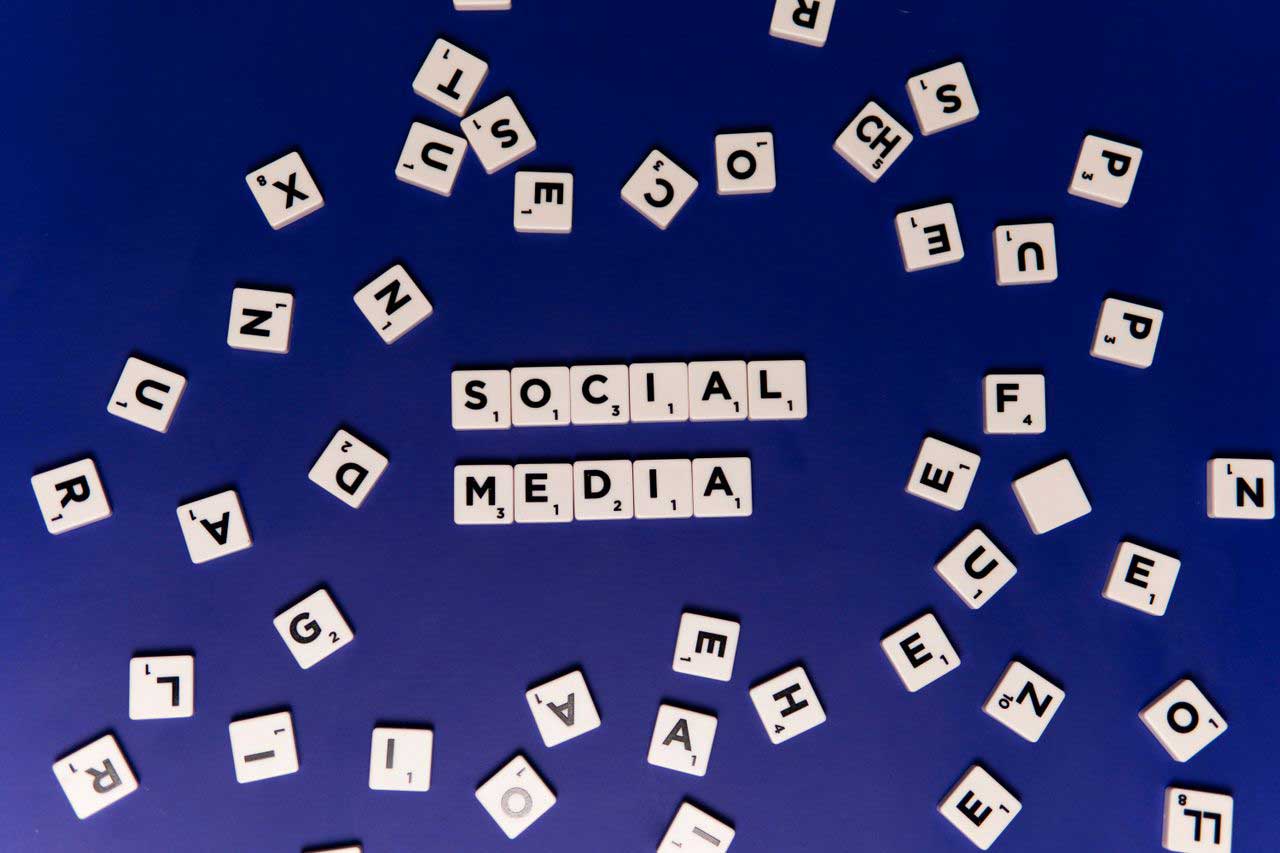
Social media is a big part of everyday life. Platforms like Instagram, TikTok, and Facebook help us stay connected—but they can also impact how we feel about ourselves and our lives.
If you’ve ever noticed your mood change after scrolling, or doomscrolling as I like to call it, you’re not alone. Here’s how social media may be affecting your mental health—and what you can do about it.
1. Comparison Can Lower Self-Esteem
It’s easy to compare your everyday life to the highlight reels you see online. Even when you know posts are curated, they can still lead to:
- Feeling “not good enough”
- Doubting yourself
- Increased anxiety or sadness
- It Can Increase Anxiety and Stress
Constant exposure to news, opinions, and emotional content can be overwhelming. Without breaks, your mind doesn’t get time to rest and process.
3. Likes and Comments Can Affect Your Mood
When your posts get attention, it can feel great. When they don’t, it can feel discouraging. Over time, this can make your mood depend on external validation.
4. Not Everything You See Is Accurate
Mental health content online can be helpful—but it can also be misleading. Self-diagnosing based on short videos or posts can create confusion or unnecessary worry. There is A LOT of misinformation out there, consulting with a licensed professional is essential if you are concerned about your mental health.
5. It Can Disrupt Sleep and Focus
Late-night scrolling or constant notifications can interfere with sleep and make it harder to concentrate during the day.
The Positive Side of Social Media
Social media isn’t all bad. It can also:
- Help you feel less alone
- Provide access to mental health information
- Connect you with supportive communities
The key is how you use it.
Tips for Healthier Social Media Use
- Pay attention to how you feel before and after using it
- Take breaks or set time limits
- Unfollow accounts that make you feel worse
- Focus on real-life connections and activities
When to Seek Support
If social media is affecting your mood, self-esteem, or relationships, it may be helpful to talk to a therapist or a psychiatric professional. Together, you can explore patterns and build healthier habits that support your well-being. Psychiatric medication management can be helpful in treating intrusive symptoms of depression, anxiety, ADHD and so much more. When combined with therapy you can begin to see greater results.
It can be hard to reel in your social media use. It can be hard to ignore how social media is affecting you. Choose your hard, my fellow human and don’t forget…. Therapy can help.






 PO BOX 9909 Fayetteville, NC 28311