
Does Feeling Better Mean It’s Time to Stop Taking Psychiatric Medications?
Feeling better is the goal for most people when they start psychiatric medications. Most start medication management due to intrusive symptoms that are making it hard to live their lives. If this is the case for you, you’re likely nodding your head. The goal is to feel better, but what happens when you feel better? Many start to question whether they needed their medications at all. While this is common it isn’t always wise to stop your medications when you begin to feel better.
Why Not?
If you are considering stopping your psychotropic medications because you feel better, you aren’t alone. Studies have shown that 34% of people report that they stopped their medications due to feeling better. While this may be a common practice, it isn’t necessarily advisable.
Stopping your psychotropic medications because you feel better and have negative consequences. These consequences may include;
- Withdrawal symptoms. It can be dangerous to stop psychiatric medications without the advice of a psychiatric professional. Many require that you titrate off, meaning that you gradually taper down the dose. This is often required decrease the risk or intensity of withdrawal symptoms. Not all medications require this, but many do. It’s always best to consult with your prescriber before you change your dosage or discontinue.
- Return of symptoms. The reality is that many of us feel better BECAUSE of our medications. If you stop taking them it is highly likely your symptoms will return. There is a possibility that when you are feeling better you may be able to discontinue or reduce your medications, though this isn’t always the case.
- Increase in symptoms. Your symptoms may not only return if you stop taking your medications, they may actually increase in frequency and intensity. Again, this is why it’s best to seek medical advice before making any final decisions about your medications.
- More difficulty in finding remission again. For some, stopping their medications can make it harder to find remission again in the future should symptoms return. While this isn’t the case for everyone, it is for some individuals. Be sure to discuss this possibility with your provider.
Can You Talk to Your Provider?
Carolina Counseling Services in Fayetteville, NC believes that you should be able to have these types of conversations with your provider. You have a choice in your psychiatric care. You deserve to make your own decisions and make choices that are best for you. When questioning whether or not to stop your medications, your provider should be someone you can talk to.
CCS contracts with caring licensed psychiatric professionals . Our contracted providers are in network with most major insurances including Aetna, Aetna State Health Plan, Blue Cross and Blue Shield and MANY more. If you are looking for psychiatric care in Fayetteville, NC call CCS today! We even have online psychiatric appointments available!
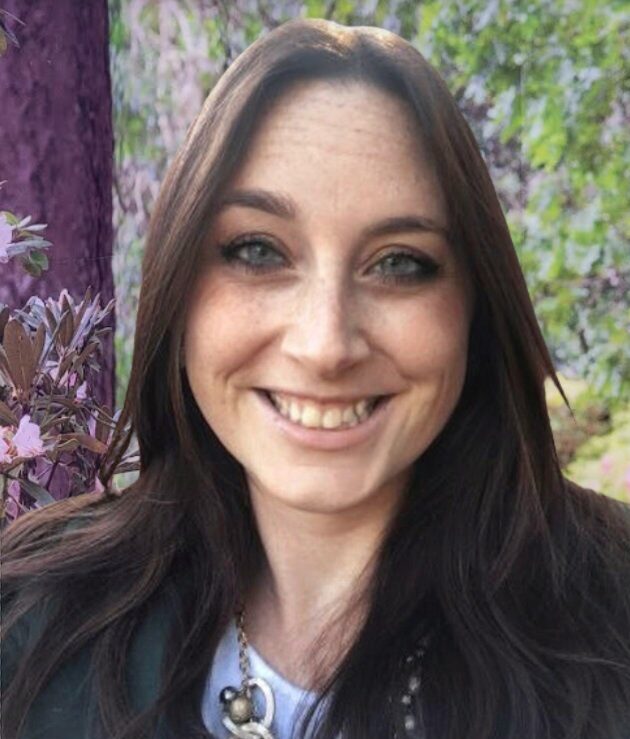
Jaime Johnson Fitzpatrick LCMHCS, LCAS is one of the Owners and Vice Presidents of Carolina Counseling Services. She is a Licensed Clinical Mental Health Counselor and Licensed Clinical Addictions Specialist in the State of North Carolina as well as a Licensed Mental Health Counselor in State of New York. Jaime is also certified in Dialectical Behavioral Therapy and utilizes various other approaches in her practice.



 PO BOX 9909 Fayetteville, NC 28311