
Childhood Mental Health at Different Development Stages
The emotional skills developed in childhood form a critical foundation for learning and wellness through adulthood. The experiences you may witness as your child grows, whether they are negative or positive, can physically manifest as emotions. These experiences and skills will serve to guide and influence how they deal with both success and failure across their lifespan. The more you understand about various stages and mental health the better!
Mental Health and Developmental Stages
Understanding the importance of emotional wellness can help you take steps to help your child. The more emotionally mature and healthy your child is, the better they can face life’s challenges.
There are common emotional concerns your child may have to go through at different stages of life. The more you know about these phases, the sooner you can intervene if you have concerns.
- Infancy – Separation anxiety typically begins for babies and toddlers. According to Cleveland Clinic this is a normal developmental stage, however, as they grow more accustomed to separations it tends to decrease around the age of three. Although the timing varies from child to child, it is a completely normal response from a child who realizes their parents exist separately from them. If this stage seems to last longer or your child’s anxiety seems excessive, it may be beneficial to reach out to a licensed therapist.
- Childhood – Nearly 20% of those ages 3-17 have a mental, emotional, developmental or behavioral disorder. As children grow older, anxiety, fear and depression may surface in response to expanding social interactions, school, growing expectations etc. Your child may struggle to adjust to pressures and changes. It isn’t uncommon for children to struggle at this age, counseling can help.
- Adolescence – Every parent with a teenage child has witnessed the emotional highs and lows of adolescence. Combining surging hormones with academic and social pressures can create a lot of anxiety and even depression. Many teens struggle with low self-esteem, irritability, and poor focus which can be attributed to their rapidly growing bodies. Not getting enough sleep or eating a well rounded diet can exacerbate these symptoms. It can be difficult to communicate with your child at this stage, but listening and paying attention to their concerns and supporting them through this challenging phase can make a big difference.
How Can Counseling Help?
If you are concerned about your child, at any stage of development, counseling may help. When you find the right therapist your child can begin to unpack what they are feeling and learn valuable skills to help them throughout their life.
The right therapist can help your child to learn and develop emotion regulation, communication, distress tolerance and conflict resolution skills. Together you can support your child and help them to move forward.
Carolina Counseling Services in Fayetteville, NC contracts with skilled licensed therapists who can help you and your child be the best versions of yourselves. If you are looking for child therapy, look no further than CCS. Call now to schedule your first appointment!
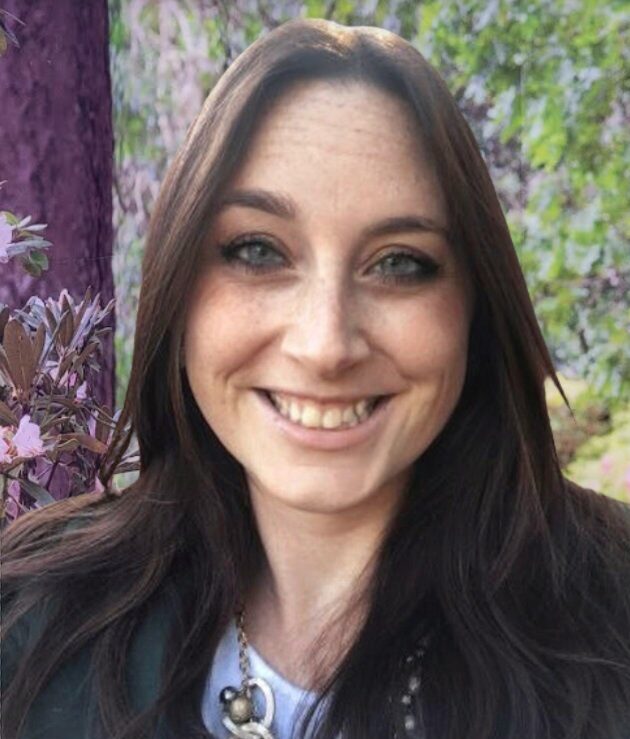
Jaime Johnson Fitzpatrick LCMHCS, LCAS is one of the Owners and Vice Presidents of Carolina Counseling Services. She is a Licensed Clinical Mental Health Counselor and Licensed Clinical Addictions Specialist in the State of North Carolina as well as a Licensed Mental Health Counselor in State of New York. Jaime is also certified in Dialectical Behavioral Therapy and utilizes various other approaches in her practice.



 PO BOX 9909 Fayetteville, NC 28311